A level playing
field is overrated.

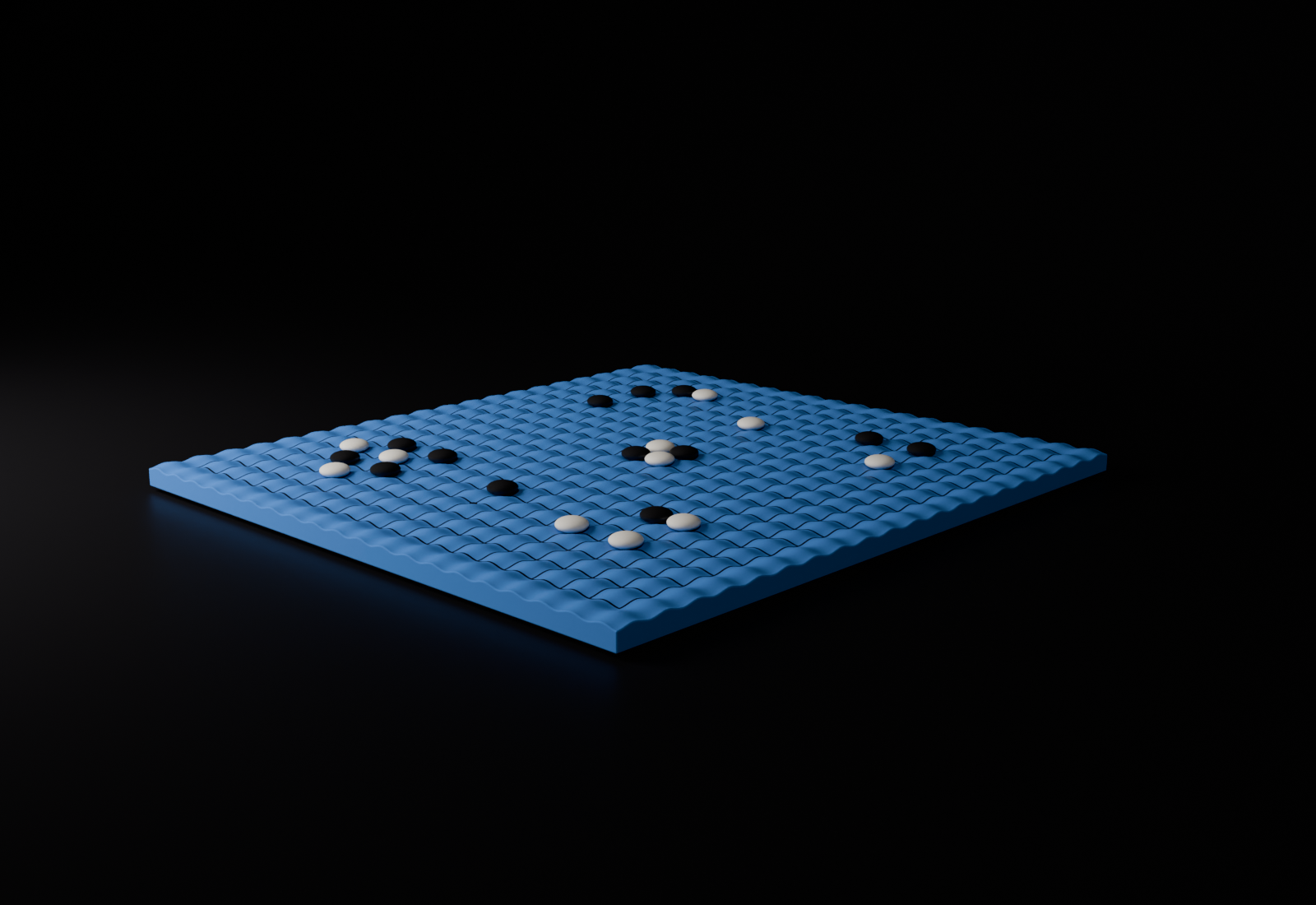
Engineered topology. 361 calibrated seats on a continuous sinusoidal surface. Every stone settles into its ideal position. Drift gets gently corrected. The result is a perfectly aligned grid that reads at a glance.

A blue Go board with a gentle wave across its surface, black and white stones mid-game, shown at a three-quarter angle on a dark background.

Built to self-correct.

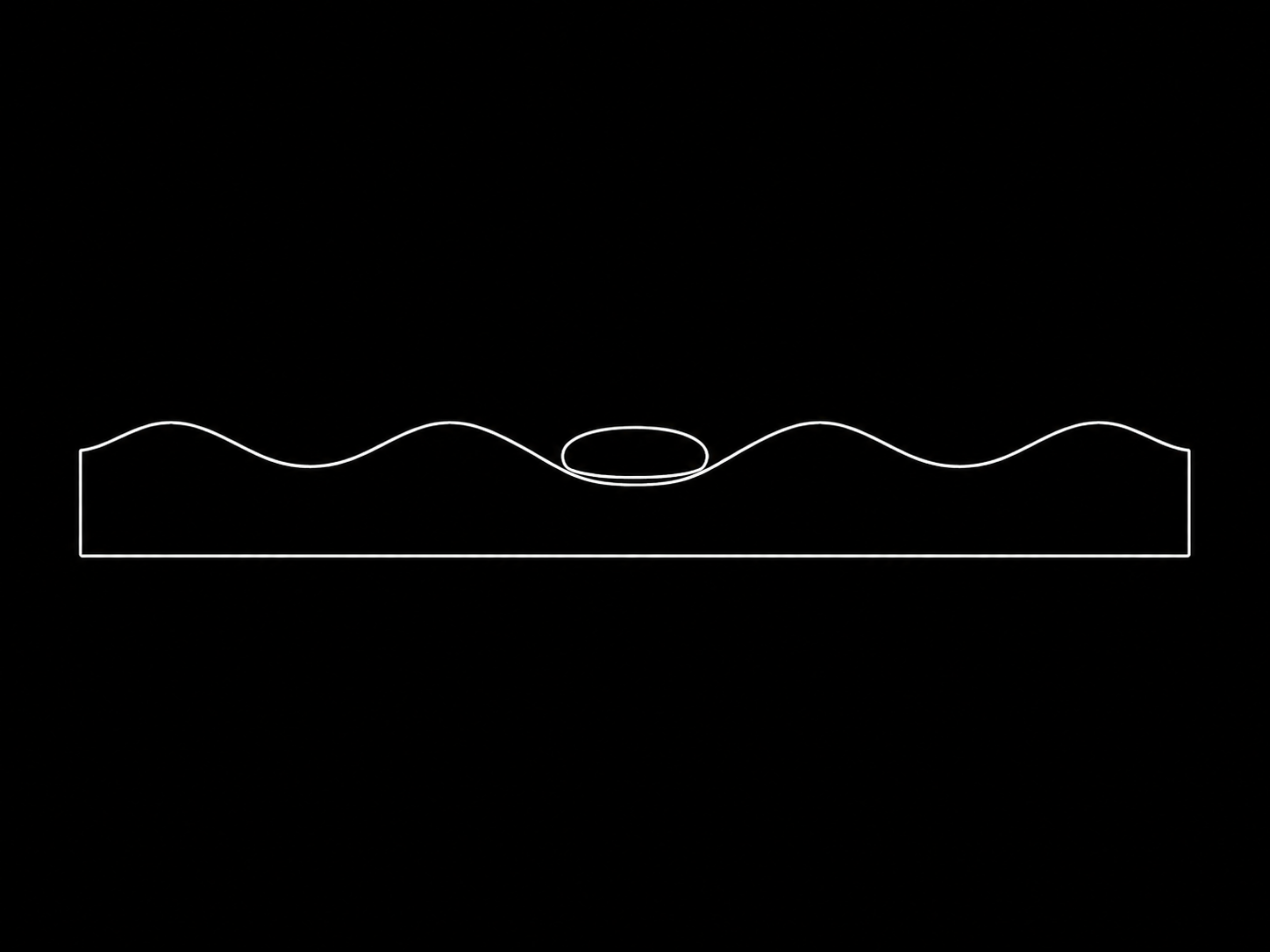
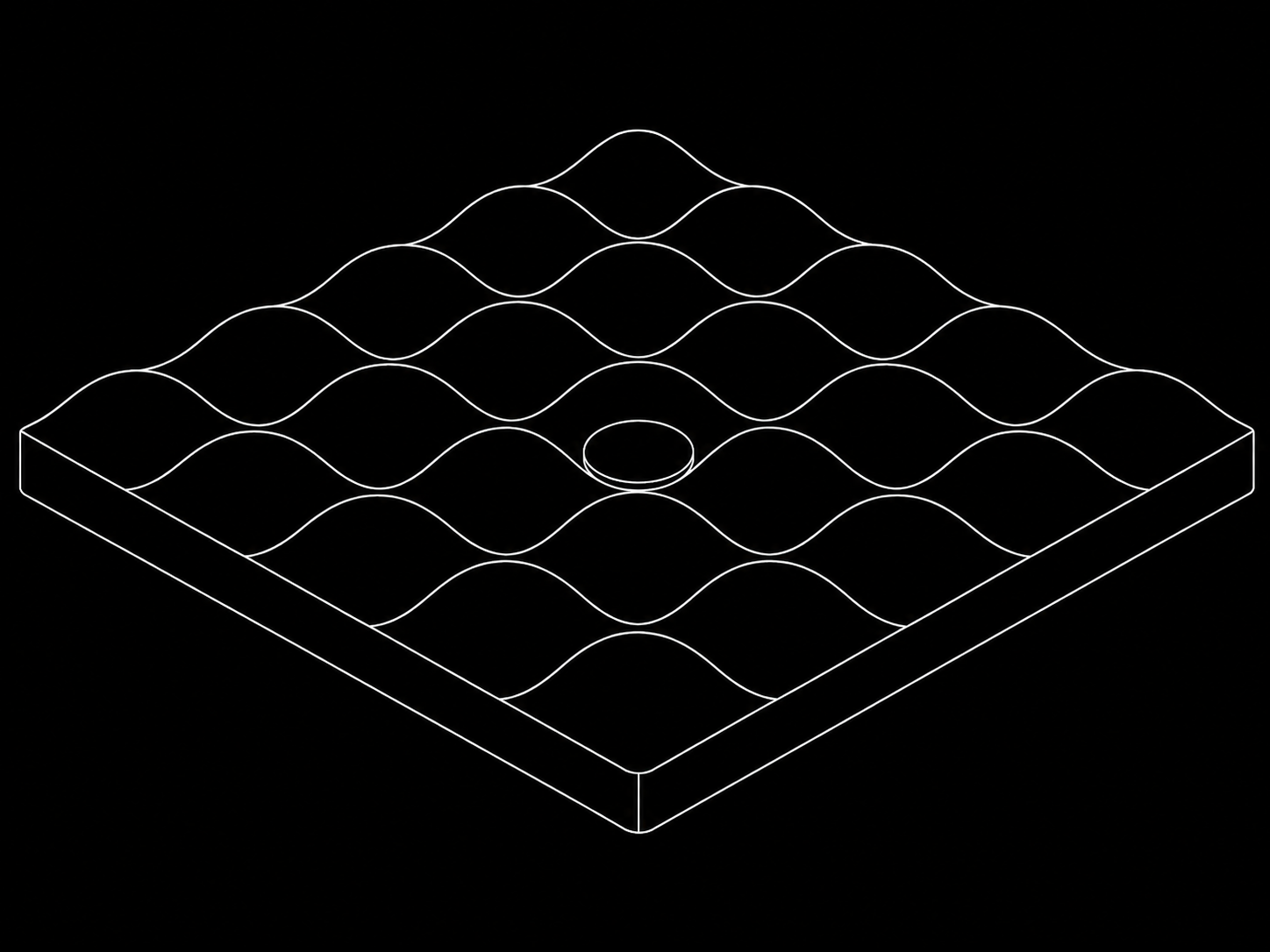
The surface is a continuous sinusoid: a peak at the center of every cell, a calibrated seat at every crossing. A stone that lands off-center rolls the last fraction of a millimeter into its seat. Misalignment corrects itself, so the whole grid holds true.

Line drawing, side section of the board. A shallow wave across the top, with a stone resting in a pocket where the grid lines cross.
Line drawing, isometric view of the board's wave surface, with a stone seated in a pocket.
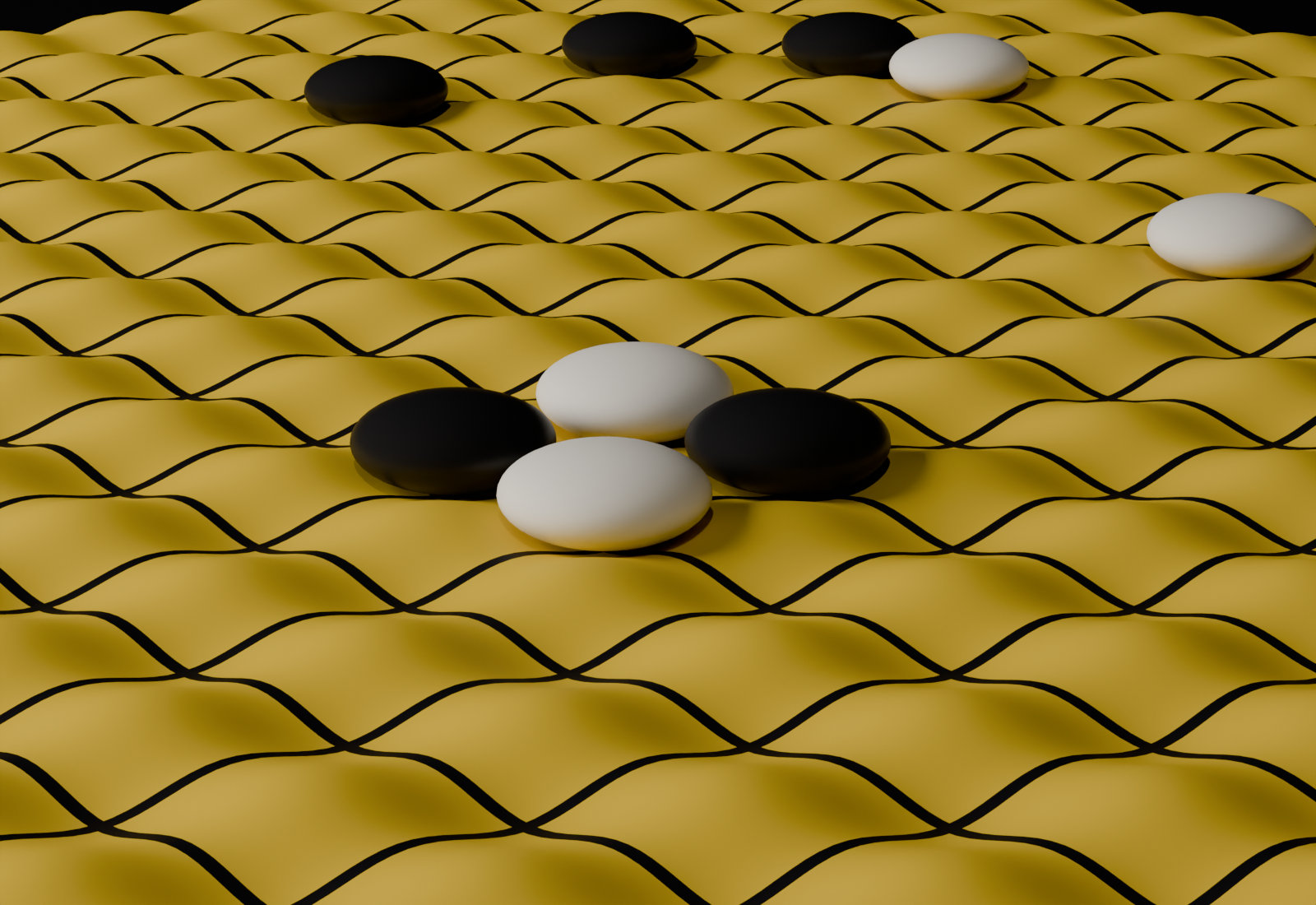
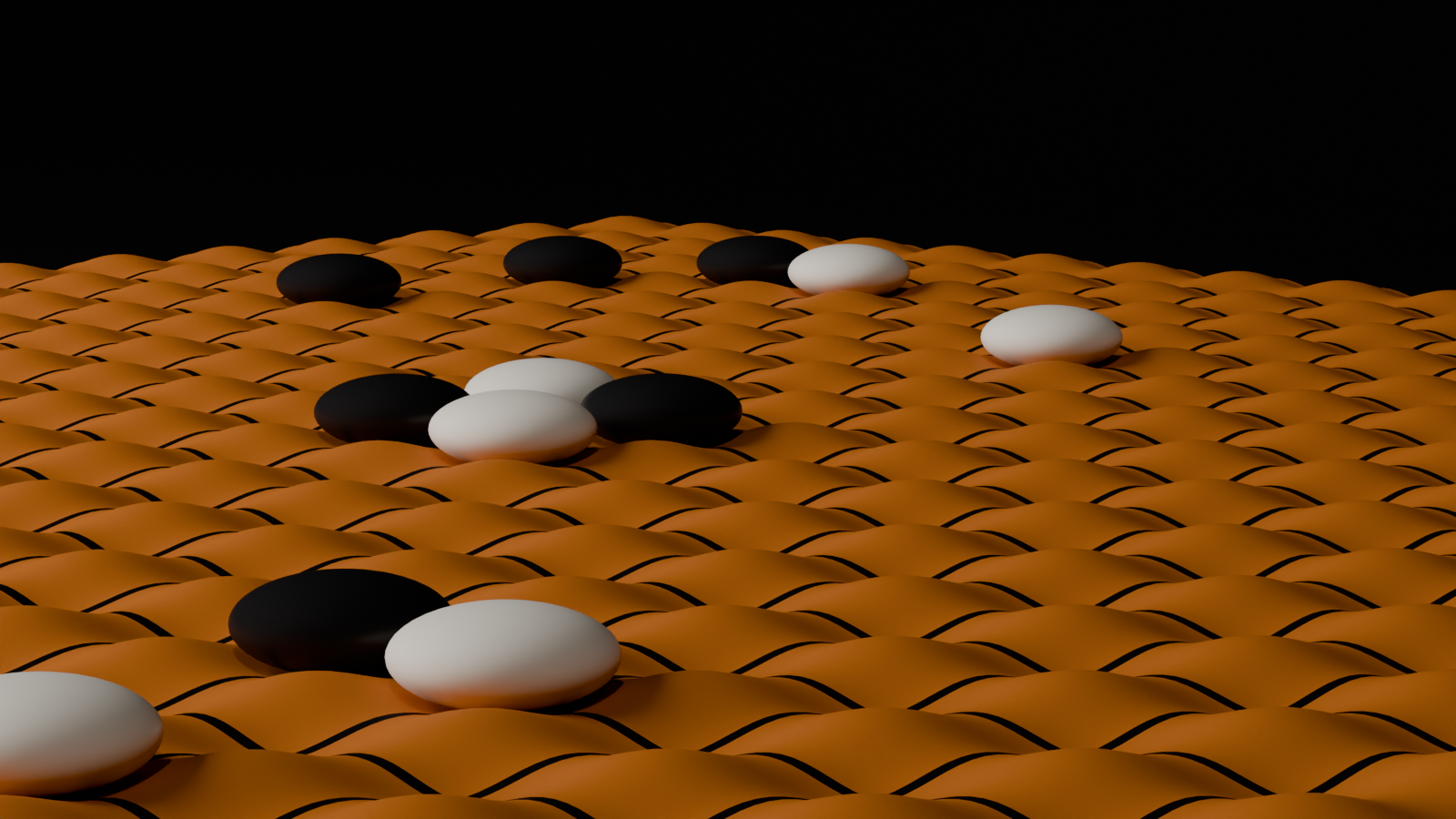
Close-up of the wave surface, stones nestled into the pockets where the grid lines cross.
01 The topology is the design. Each stone settles onto its seat, not into a hole.
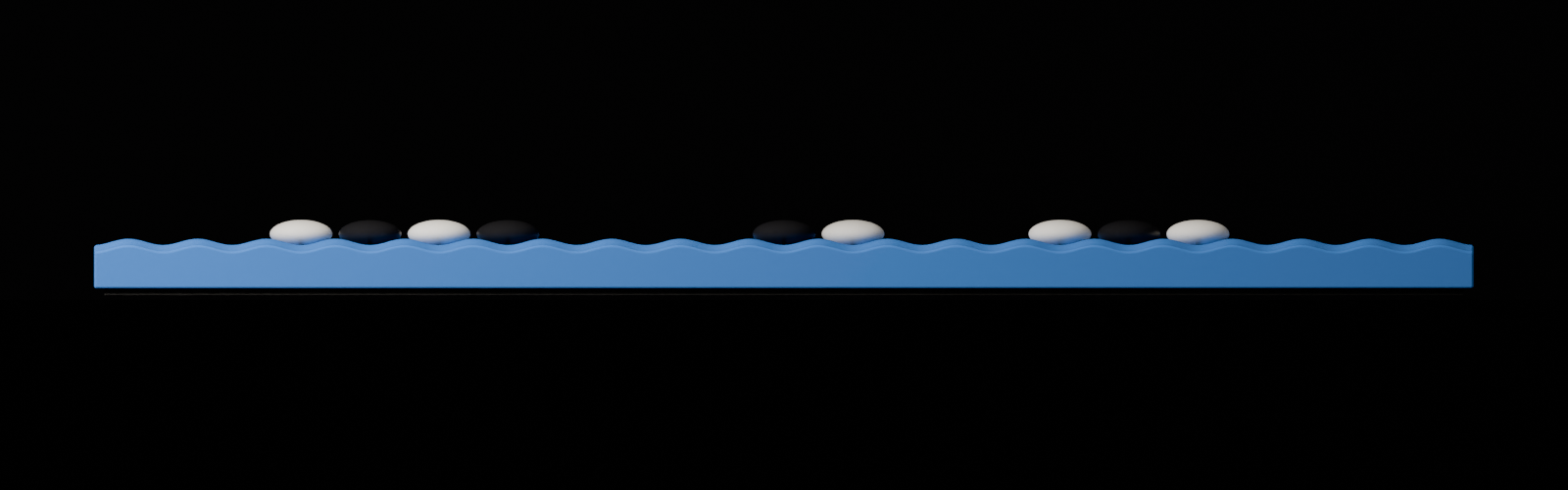
The board seen edge-on, showing how shallow the wave really is, with stones resting along the top.
02 From the side, almost nothing. A sub-millimeter rise and fall, calibrated to seat a stone and hold it.
Detail of an orange board with black and white stones across the wave.
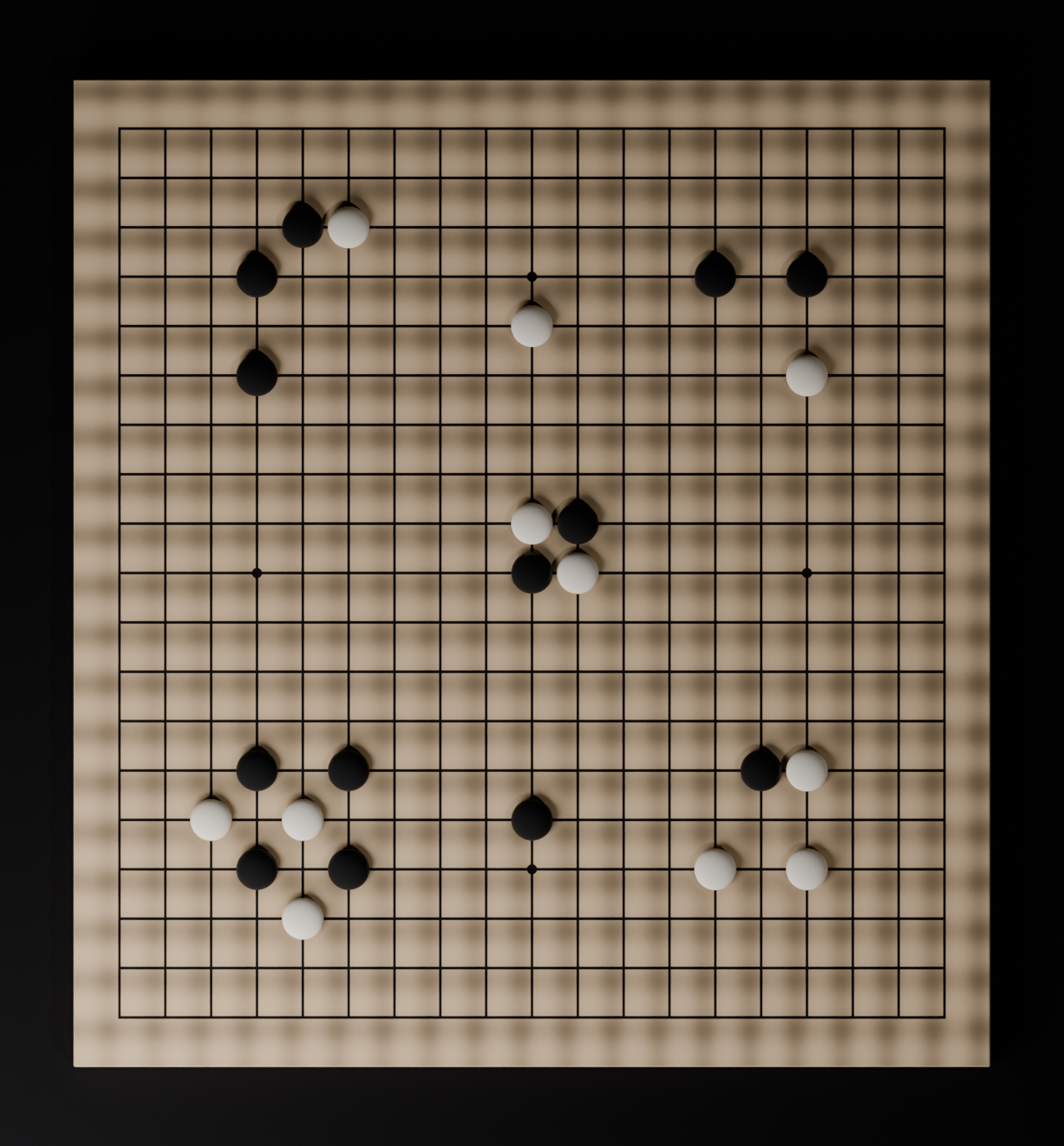
Top-down view of a tan board, the full 19 by 19 grid reading cleanly from above.

Every other board is flat. Flat is the default, not a decision, and a flat board does nothing for you. Stones drift. The grid you set up is not the grid you are looking at an hour later. A surface can do better than get out of the way.

So this one is not flat. It is a continuous sinusoid, with a peak at the center of every cell and a calibrated seat at every crossing. A stone finds its seat and stays there. A bump no longer scatters the game. The geometry holds the grid for you, and the same geometry reads as one clean, sculptural surface from across the room.

[ FOUNDER NAME ] is [ one line of who you are and why you made this ]. [ Replace this whole paragraph before launch. ]

It is not a tournament board. Not an heirloom set. Not a kit. It is an object that happens to play Go, and it is good at being both.
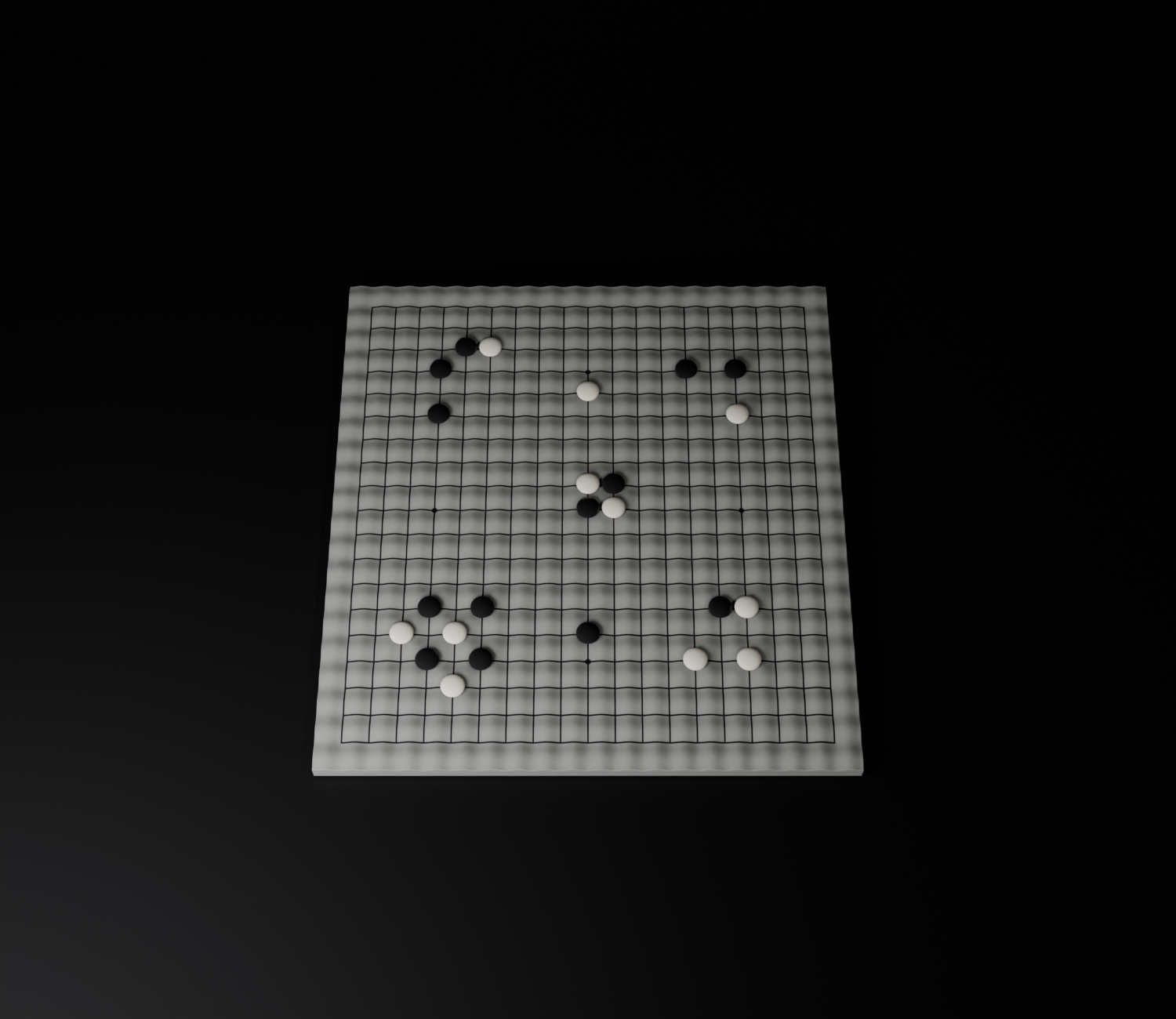
In the box.

Stones come with the $250 set. The $200 board ships on its own.

Board only USD 200
Board + 361 stones USD 250

First batch: 100 to 200 pieces. A broader release comes after. No payment today. The waitlist gets first access and final pricing.

Questions

When does it ship?
Spring 2027. The waitlist hears the week reservations open.
How much will it cost?
From $200 board only, $250 with stones. Final pricing locks before the batch ships.
How is it made?
One continuous piece, with the grid printed across the top and the color running all the way through. No seams, no inlay, no assembly.
Does the surface change how it plays?
The seats sit exactly on the regulation 19×19 grid, so stones register where they should and stay there. It plays like a true board. It just holds its alignment better than a flat one.
Will it scratch or fade?
It is built to live out in daylight. The color runs all the way through, not a coating on top, so a scuff never shows a different color underneath.
Are the stones included?
Two versions. Board only, or board with a full set of 361 stones. That is the difference between $200 and $250.
Can I leave the waitlist?
Anytime, one click in any email. No payment is taken, so there is nothing to refund.

First batch opens to the waitlist first.

First batch 100–200 pieces

Limited first run. The waitlist gets first access and final pricing.

From USD 200

No payment today · Ships Spring 2027